


A Living World: Dynamic Weather, Seasons and the Day-Night Cycle in Ancient Online
Characters that get wet in the rain, snow that settles, thunder that arrives late and storms that affect gameplay: meet the living world of Ancient Online.
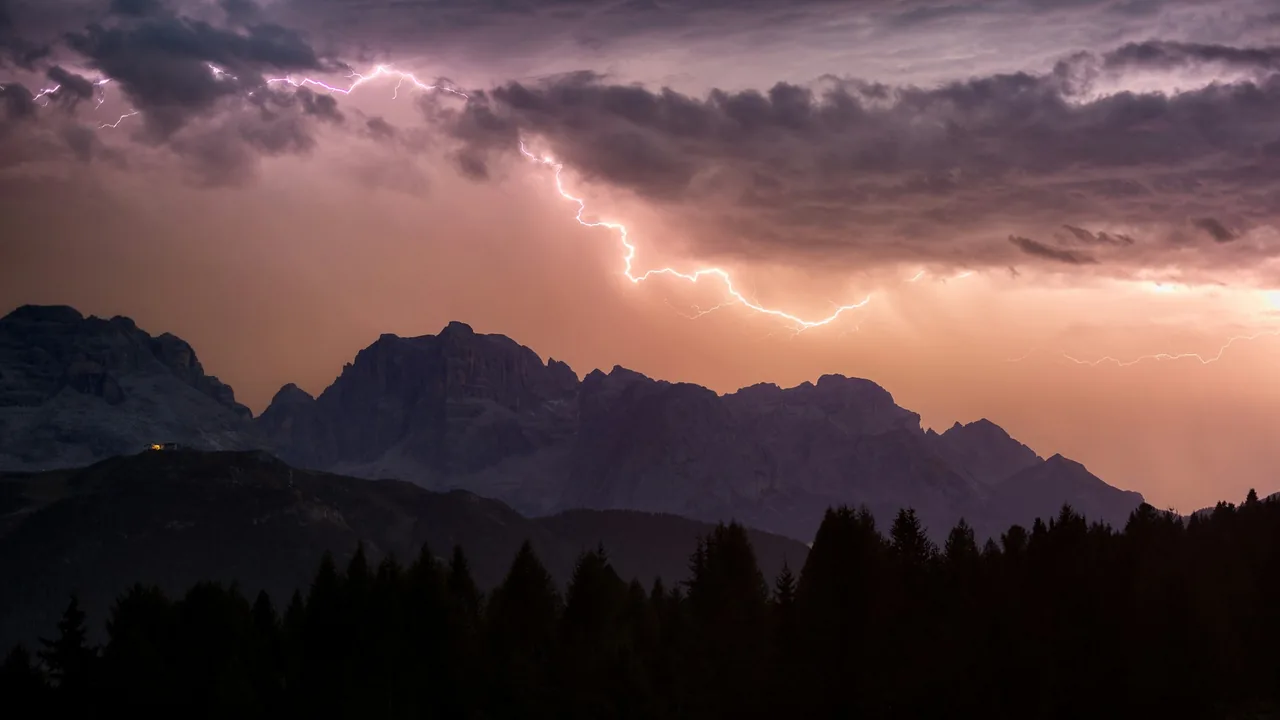
What makes an MMORPG world feel alive is, more often than not, the details: your character getting wet in the rain, the roads turning white as the snow falls, the thunder arriving a few seconds after the lightning. In Ancient Online: Remastered, dynamic weather, the seasons and the day-night cycle are not just decoration; the weather touches gameplay too. This post explains how the system works and what it changes for you.
The game is in development; the systems below describe the development build, and details may change before launch.
Everyone sees the same sky
The weather is decided by the server, not by the player's device. The world is divided into regions; for each region the server decides how the weather will change and reports it to everyone in that region. You fight under the same storm as the player next to you; it is never sunny on one screen and raining on another.
The weather changes through smooth transitions rather than sudden jumps: a clear sky first clouds over, then becomes overcast, and then the rain begins.
Types of weather
The development build has ten weather states:
| Weather | What do you see? |
|---|---|
| Clear, Cloudy, Overcast | Gradual transitions from sunshine to an overcast sky |
| Light rain, Heavy rain | Surfaces getting wet, puddles, rings from the drops falling on water |
| Thunderstorm | Lightning, and thunder that arrives late depending on the distance |
| Fog | Dense fog that cuts visibility |
| Snow, Blizzard | Snow that settles on the ground; travel that gets harder in a blizzard |
| Sandstorm | A storm in the desert that makes it harder to see and to move |
Every region has its own climate
Not every corner of the world gets the same weather. Temperate plains, deserts, snowy regions, volcanic lands and mountains have different climates: in the desert you see sandstorms but no snow; in snowy regions and in the mountains, a blizzard is a frequent visitor; in volcanic lands it does not rain. You notice the weather change as you cross from one region into another.
The seasons and settling snow
The world has a cycle of spring, summer, autumn and winter. The season affects which weather you see and how often, and how well snow holds on the ground.
Snow is not an effect you only see while it is falling: it settles on the ground. As the snow falls, the ground turns white; when the weather clears, the snow does not vanish in an instant but melts slowly. When you return to the village after a blizzard, you may find the roads still covered in snow.
Day and night
The sun moves across the sky, the sunset colours the horizon, and when night falls the moon and the stars come out. Night is when torches, lanterns and spell effects look their best. Lumen lighting, which can be turned on in the settings, lets these lights reflect onto their surroundings.
Characters feel the weather too
- Getting wet: The clothes and armour of a character left out in the rain get wet; they dry slowly once you step under a roof or the weather clears. Wind speeds up the drying.
- Wind: Cloaks ripple; trees and grass sway according to the direction and strength of the wind.
- Shelter: Under a roof the rain does not fall on you, and the sound of the rain becomes muffled.
The sound of the world
The weather works together with sound. If the lightning is far away, the thunder is delayed according to the speed of sound and is heard from the direction the lightning came from. Ambient sounds change with the time of day, the season and the region: birdsong in the morning, insects and owls at night. In winter there are fewer birds, and they fall silent when the rain starts; in dungeons the sounds of nature stop altogether.
How does the weather affect gameplay?
- In rain and thunderstorms your chance of catching fish goes up; while it is snowing it goes down a little.
- In fog, heavy rain, thunderstorms, snow and blizzards the distance at which monsters notice you gets shorter. It is easier to move through a foggy forest without being noticed.
- In blizzards and sandstorms your movement slows down; if you stay out in the open for a long time, you gradually lose health.
- Sandstorms raise your chance of success at mining.
These effects scale with the intensity of the weather: a light fog and a dense fog do not have the same effect. So keeping an eye on the weather comes in handy when you are deciding where to hunt or when to set out.
If you are worried about performance
In the settings you can lower the effect quality and turn off the display of clouds. What each setting does is covered in the system requirements and graphics settings guide.
Next step
To get to know the rest of this world, take a look at What is Ancient Online: Remastered?; to see how to get started, take a look at the beginner's guide.
Related posts
 10 October 2026
What Is Ancient Online: Remastered? A Classic Eastern MMORPG Built in Unreal Engine 5.8
10 October 2026
What Is Ancient Online: Remastered? A Classic Eastern MMORPG Built in Unreal Engine 5.8
 14 October 2026
Old School MMORPG: What Ancient Online: Remastered Keeps from the Classic Formula and What It Modernises
14 October 2026
Old School MMORPG: What Ancient Online: Remastered Keeps from the Classic Formula and What It Modernises
 14 October 2026
Unreal Engine 5.8 MMORPG: What the Engine Means for Players in Ancient Online: Remastered
14 October 2026
Unreal Engine 5.8 MMORPG: What the Engine Means for Players in Ancient Online: Remastered